

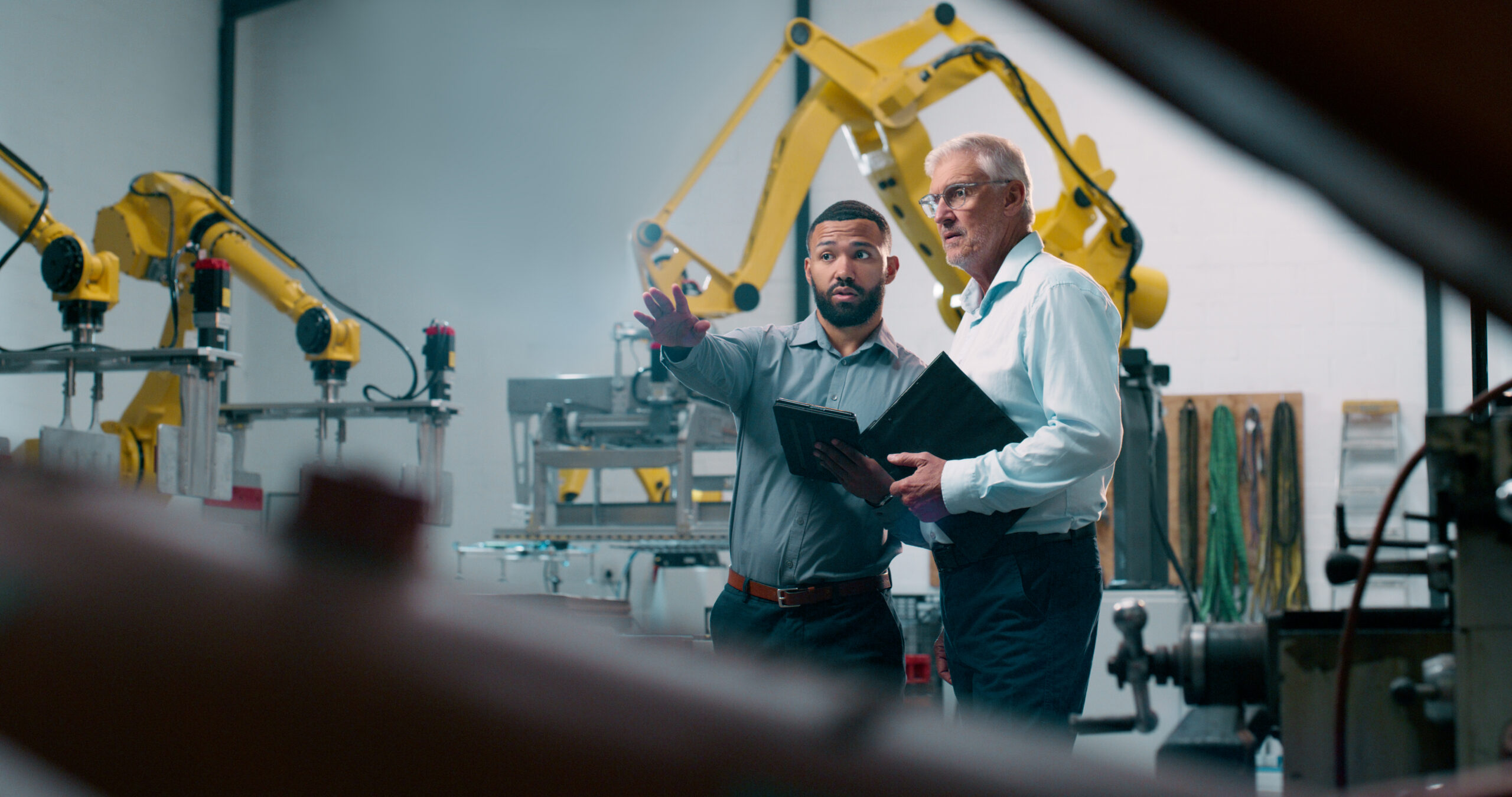
Whether you’re replacing a worn-out delivery vehicle, upgrading machinery, or investing in technology to improve efficiency, buying equipment can be a big expense for a small business. So how do you know when it’s the right move?
Start with what the purchase will accomplish. Will it help you serve more customers, reduce labor costs, or avoid expensive repairs? Estimate how long it will take for those benefits to cover the cost of the purchase.
Next, take a close look at your cash. Paying upfront can save you interest, especially if you have money available beyond what you need to operate your business. But if that cash could be needed for payroll, inventory, or unexpected expenses, financing may be the better option, even with higher interest rates. I recommend projecting your cash needs for the next 12 months before deciding. Your banker can help you compare borrowing costs with the value of keeping that money available.
There’s also a tax consideration for 2027. Under current federal law, many equipment purchases — including machinery, computers, and certain vehicles — may qualify for 100% bonus depreciation. This could allow you to deduct the full cost in the first year. Work with your CPA to coordinate the deduction with your expected taxable income.
If you’re considering an equipment purchase in 2027, meet with your banker sooner rather than later. Planning ahead gives you time to evaluate financing options, understand how the purchase will affect your cash flow, and determine the best time to buy.
It Matters Where You Bank®
Originally published in Small Business Monthly’s November publication by Pete Zeiser, Senior Vice President, Regional President – Commercial Banking.