

Economic cycles always bring change, and with today’s uncertainty, businesses and borrowers are facing a lending environment shaped by tighter commercial and industrial (C&I) lending standards and new risk management practices. Whether you’re seeking a C&I loan, managing consumer credit, or applying for an SBA loan, it’s essential to understand how today’s commercial credit standards affect your ability to secure funds.
Commercial and industrial (C&I) lending refers to the loans that fund working capital, equipment, expansion, and day-to-day business operations rather than real estate. It sits at the center of these shifts because C&I credit conditions directly shape how businesses access capital. Understanding what’s changing in C&I lending standards can help your business stay ahead.
Midwest BankCentre is committed to helping borrowers navigate these shifting lending standards with clarity and confidence.
Why Are C&I Lending Standards Tightening Now?
Commercial and industrial lending is closely tied to the broader economy and the policies of the Federal Reserve Bank and the Federal Reserve System. When inflation rises, interest rate adjustments follow, which directly affects C&I loan demand, credit supply, and credit quality across the banking sector.
Banks and financial institutions are seeing a growing need to manage credit risk carefully on C&I portfolios. Tighter lending standards on commercial and industrial loans help lenders protect their portfolios and maintain healthy loan growth, even when cash flow or annual revenue projections become less predictable.
What Do Tighter C&I Credit Standards Mean for Borrowers?
For businesses seeking C&I loans, stricter commercial and industrial credit standards mean that loan officers and lenders will look more closely at collateral, credit history, and cash flow before approving term loans, credit lines, or commercial real estate loans.
Borrowers can expect more documentation, deeper assessments of credit quality, and detailed reviews of net percentage growth and annual revenue. This applies not only to C&I and commercial credit but also to consumer credit, consumer loans, and credit card loans.
Key Factors C&I Lenders Review More Closely
Whether you are seeking a C&I loan, an SBA loan, or commercial real estate financing, your lender will likely review these elements:
- Collateral and cash flow: Adequate collateral and stable cash flow are critical to reduce credit risk.
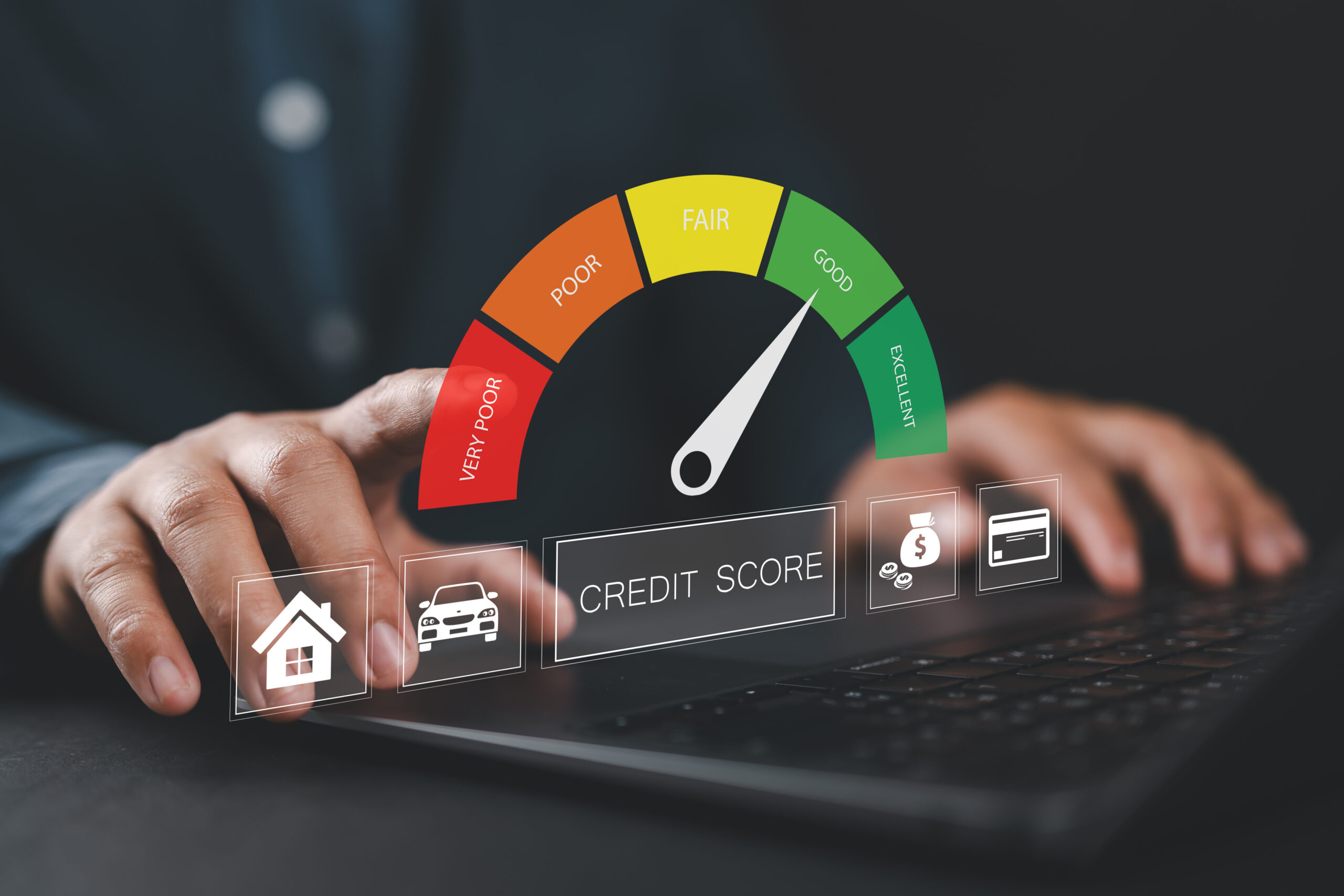
- Credit quality and history: Strong consumer credit or commercial credit scores help you meet bank lending standards.
- Loan categories and terms: Be clear about which loan categories fit your needs, whether that’s commercial real estate loans, term loans, or credit card loans.
- Annual revenue: Lenders want to see healthy revenue trends to ensure you can manage payments.
- Economic trends: Institutions track larger trends, from the Federal Reserve System to the European Central Bank, to gauge credit demand and supply.
Strategies for Managing Credit in a Tighter Environment
- Build and maintain strong business credit: Stay on top of your commercial credit scores. They directly affect your C&I loan terms.
- Understand lending standards: Know what banks and credit unions expect when it comes to credit quality and cash flow.
- Work with trusted financial partners: Community banks like Midwest BankCentre offer personalized service to help you find the right credit lines and commercial lending solutions.
- Prepare detailed documentation: Be ready to demonstrate how your business maintains healthy cash flow, collateral, and credit quality.
- Stay flexible: Be open to alternative loan categories or adjusting loan terms to align with tighter lending standards.
What Is a C&I Loan?
A commercial and industrial (C&I) loan is a debt facility a bank extends to a business for operational purposes such as working capital, equipment purchases, inventory, or business acquisitions, rather than for real estate. C&I loans include revolving lines of credit, term loans, and secured business financing. They differ from commercial real estate (CRE) loans, which finance the purchase or development of property, and from SBA loans, which carry government guarantees.
For most growing businesses in the St. Louis region, C&I lending is the workhorse credit product that funds day-to-day operations and growth investments.
The Role of Midwest BankCentre
At Midwest BankCentre, we believe in relationship banking. As your trusted financial institution, we help you navigate C&I lending decisions, credit cycles, and evolving commercial credit standards. We offer a full range of commercial and industrial lending products, from term loans and lines of credit to SBA loans and treasury management services.
Our local lenders understand the realities facing borrowers and will guide you through the loan decision process, whether you need a commercial loan, an SBA loan, or advice on managing consumer credit responsibly.
Want to understand how C&I lending fuels small business growth across St. Louis? Read our companion piece on how C&I loans and SBA lending power SMB success.
Prepare for What’s Next
Tighter lending standards don’t have to slow your growth. With careful planning and the right banking partner, you can maintain access to the credit lines and lending solutions your business or personal goals require.
Connect with Midwest BankCentre today to learn how we can help you navigate lending practices, manage credit risk, and plan for a stronger financial future, no matter what the economic cycle brings.